As a lawn care business owner, you probably have a routine.
You know how you like the job done. But do your employees know?
That’s where SOPs come in.
SOP stands for Standard Operating Procedure.
It’s just a fancy way of saying: “Here’s how we do things here.” An SOP is a simple set of steps that tells your team how to handle a task the right way, every time.
You don’t need a thick binder full of rules.
You just need a few key SOPs that cover the most important parts of your business.
Here are the ones that matter most.
1. How to Do the Job Right
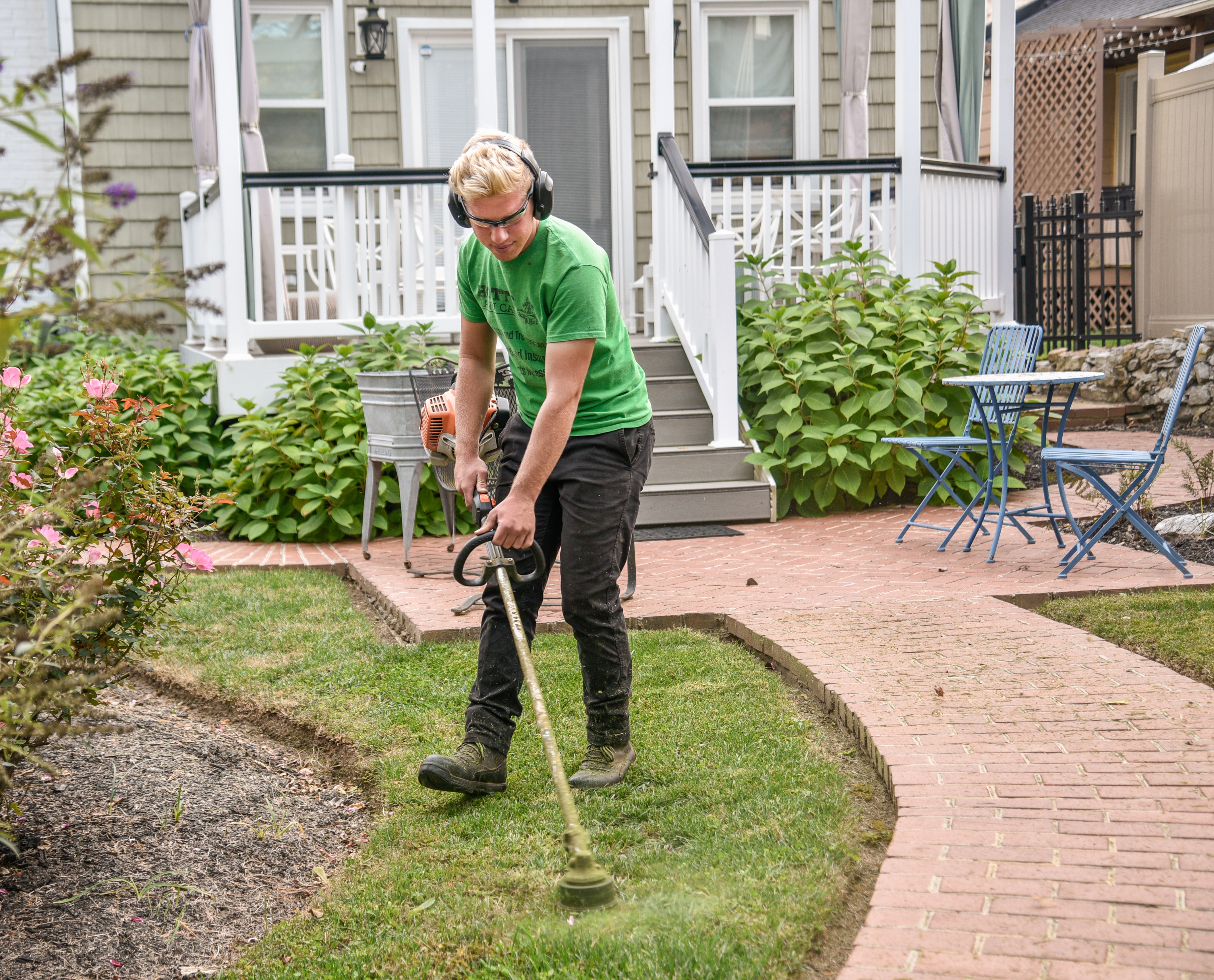
This is the big one. A service SOP tells your crew exactly how to mow, edge, blow, and clean up at every property.
Without it, two different workers will do the job two different ways — and customers will notice.
Your service SOP should cover:
Mowing height and pattern for different grass types
Edging and trimming steps
Cleanup before leaving (no clippings on driveways or sidewalks)
What to do if something looks wrong on the property
When everyone follows the same steps, your work looks consistent.
That’s what keeps customers coming back.
2. How to Talk to Customers
Your crew talks to customers.
How they handle those conversations matters.
A communication SOP helps everyone on your team say the right things.
A basic communication SOP covers:
How to greet a customer who comes outside during the job
What to say if a customer has a complaint
How to let a customer know about a problem you found on their property
When to call the owner or manager for help
Customers don’t just pay for a lawn — they pay for a good experience. How your team communicates is a big part of that.
3. How to Take Care of Equipment
Broken equipment costs you money.
An equipment maintenance SOP helps prevent problems before they happen.
Keep it simple:
Daily: Check oil, fuel, blades, and tire pressure before leaving
Weekly: Clean equipment and inspect for wear
Monthly: Sharpen blades and do a full check
As needed: Log any repairs and who did them
A good equipment routine keeps jobs running on time and avoids expensive repair bills.
4. How to Bring on a New Customer
Every new customer should get the same great first impression.
A customer onboarding SOP makes sure nothing falls through the cracks when you sign someone up.
This should include:
Sending a welcome message or email
Confirming their first service date
Adding their info to your scheduling system
Noting any special requests for their property
A smooth start builds trust. And trust turns new customers into loyal ones.
5. How to Handle Billing and Payments
Getting paid on time is critical. A billing SOP keeps your cash flow steady and reduces awkward conversations about money.
Cover the basics:
When invoices go out (same day as service, end of week, end of month?)
What payment methods you accept
When a payment is considered late
How you follow up on unpaid invoices
When you have a clear system, customers know what to expect — and you spend less time chasing money.
Start Small. Keep It Simple.
You don’t have to write all of these at once. Pick the one that causes you the most headaches right now and start there.
Write down the steps.
Share it with your team.
Then build from there.
SOPs don’t have to be long or complicated.
Even a one-page checklist counts.
The goal is simple: less confusion, more consistency, and a business that runs smoothly whether you’re there or not.
The lawn care businesses that grow the fastest aren’t always the ones with the best equipment.
They’re the ones with the best systems. SOPs are how you build those systems.